EL FUERTE GALLE y las famosas playas de MIRISSA, en SRI LANKA ✏️ Diarios de Viajes de Sri Lanka
Además de esta maravillosa costa también visitaremos la ciudad colonial de Gallé, Patrimonio de la Humanidad. La leyenda del nombre proviene de los supuestos sonidos de un gallo (galo en portugués), pero parece más probable que sea una derivación... | ||||||||||||||||||||||||||||||||||||||||||||||||||||||||
| Puntos | Votos | Media | Visitas | |
| Actual | 0 | 0 |  |
10 |
| Anterior | 0 | 0 | |
12 |
| Total | 0 | 0 | |
284 |
0
0 
0 
0 
0 
|
Para votar necesitas conectarte como usuario registrado. Te puedes registrar gratis haciendo click aquí |
 SRI LANKA, TRAS LA HUELLA DE BUDA!!
Os invito a que conozcáis de mi mano Sri Lanka, conocida como “La Resplandeciente”, isla...
⭐ Puntos 4.78 (40 Votos) 👁️ Visitas mes actual: 192
SRI LANKA, TRAS LA HUELLA DE BUDA!!
Os invito a que conozcáis de mi mano Sri Lanka, conocida como “La Resplandeciente”, isla...
⭐ Puntos 4.78 (40 Votos) 👁️ Visitas mes actual: 192
 14 días en pareja por Sri Lanka (2025)
Este es mi primer diario sobre nuestro viaje en pareja de mochileros por Sri Lanka en...
⭐ Puntos 4.75 (4 Votos) 👁️ Visitas mes actual: 178
14 días en pareja por Sri Lanka (2025)
Este es mi primer diario sobre nuestro viaje en pareja de mochileros por Sri Lanka en...
⭐ Puntos 4.75 (4 Votos) 👁️ Visitas mes actual: 178
 Tuktukeando tres semanas en Sri Lanka
He aquí el viaje de una familia que estuvo viajando -o al menos intentándolo- en un tuk...
⭐ Puntos 4.88 (8 Votos) 👁️ Visitas mes actual: 158
Tuktukeando tres semanas en Sri Lanka
He aquí el viaje de una familia que estuvo viajando -o al menos intentándolo- en un tuk...
⭐ Puntos 4.88 (8 Votos) 👁️ Visitas mes actual: 158
 Datos prácticos de un viaje a Sri Lanka (y Maldivas, en otro diario)
En Julio de 2017 recorremos Sri Lanka en 12 días, tras lo...
⭐ Puntos 4.43 (7 Votos) 👁️ Visitas mes actual: 148
Datos prácticos de un viaje a Sri Lanka (y Maldivas, en otro diario)
En Julio de 2017 recorremos Sri Lanka en 12 días, tras lo...
⭐ Puntos 4.43 (7 Votos) 👁️ Visitas mes actual: 148
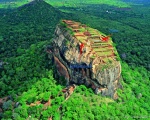 Sri Lanka con 2 niños
Viaje de 17 días por toda Sri Lanka con nuestros hijos de 10 y 7 años
⭐ Puntos 5.00 (7 Votos) 👁️ Visitas mes actual: 135
Sri Lanka con 2 niños
Viaje de 17 días por toda Sri Lanka con nuestros hijos de 10 y 7 años
⭐ Puntos 5.00 (7 Votos) 👁️ Visitas mes actual: 135
 Foros de Viajes Foros de Viajes | |
 Tema: Viajar a Sri Lanka Tema: Viajar a Sri Lanka | |
 Foro India y Nepal: Foro del Subcontinente Indio: India, Nepal, Bhutan, Pakistán, Bangladesh, Sri Lanka, Islas Maldivas. Foro India y Nepal: Foro del Subcontinente Indio: India, Nepal, Bhutan, Pakistán, Bangladesh, Sri Lanka, Islas Maldivas.
| |
 Ir a tema del foro Ir a tema del foro
| |
|
Últimos 5 Mensajes de 1554
655147 Lecturas
|
|
| Autor | Mensaje |
|---|---|
leviatan
 Indiana Jones  28-04-2007 Mensajes: 1748 |
Fecha: Dom Abr 19, 2026 03:01 pm
Título: Re: Viajar a Sri Lanka
|
 | |
carolco
 Willy Fog  23-01-2014 Mensajes: 28045 |
Fecha: Mie May 20, 2026 08:22 pm
Título: ¡Vuelos (Baratos) a Sri Lanka!
|
| |
rosaan
 Willy Fog 06-06-2009 Mensajes: 12805 |
Fecha: Jue May 21, 2026 01:16 am
Título: Re: ¡Vuelos (Baratos) a Sri Lanka!
|
| |
|
carolco
Willy Fog 23-01-2014 Mensajes: 28045 |
Fecha: Sab May 30, 2026 09:01 pm
Título: Sri Lanka ahora ofrece visas de turista gratuitas (ETA) para naci
|
| |
RaquelVilla
 New Traveller  10-06-2026 Mensajes: 1 |
Fecha: Mie Jun 10, 2026 12:09 pm
Título: Re: Viajar a Sri Lanka
|
| |
 Galería de Fotos















 Etapa anterior